
By Jackie Sledge
Big Country Master Gardener Association
I recently wrote the first part of an article about Passalong Plants, plants or seeds shared with friends or other gardeners who will give them good homes. (If you haven’t read Part 1 of this article, it is available on the Big Country Master Gardener Association’s website at https://bcmgtx.org/2024/08/27/passalong-plants-part-1/
Now it’s time to finish that topic.
Part 1 of the Passalong Plant article used the following categories of plants from the book:
1 – “SmellsFor theSidetrack – Those childhood plants we treasure for their sweet fragrance.”
We tend to have memories connected with the sense of smell more often than with the senses of sight, hearing, touch, or taste.
2 – “ThePlants That Get Away– Rampant plants that will pass themselves along if we don’t get around to it.”
These are plants that reproduce by seeds, layering, or suckers and can overrun your landscape.
Here are the rest of the categories of Passalong Plants mentioned in the book.
3 – “Aunt Bea’s Pickles – Passalong plants that friends insist on giving you, whether you want them or not.”
We probably have all been in the situation where we politely complimented some plants in a friend’s garden, but we were thinking in our heads that we would NEVER put that variety in one of our beds. Our friend then graciously gave us some of the plants to take home to put in our garden, and we smiled and accepted their gift.
Some passalong plants in this category are:
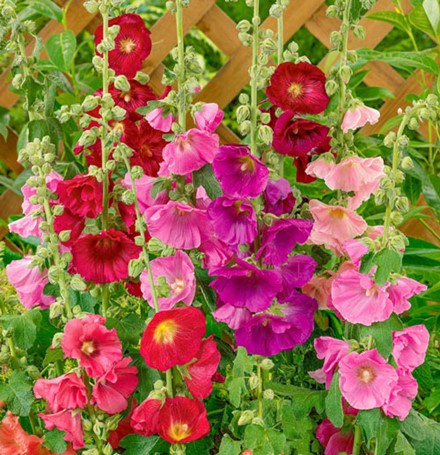
Hollyhocks. Alcea rosea. Perennial. Size: 4-9 feet tall. Light: Full sun. Soil: Well-drained soil. Growth rate: Fast. This is a plant that everyone remembers seeing in gardens, by fences, near buildings, in fields – anywhere it could tower over everything else. They come in so many wonderful colors such as scarlet, crimson, pink, yellow, white, and maroon that they add a pop to any area they occupy. Passalong Plants refers to hollyhocks as “a favorite of the common man.” Well, I must be a common person because I personally love them. Recently a friend gave me a bag and a cup of hollyhock seeds, and I joyously accepted them so I will have these wonderful plants in my landscape next year.
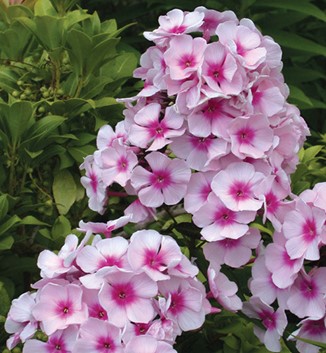
Phlox. Phlox paniculata. Perennial. Size: 3-4 feet tall. Light: Full or partial sun. Soil: Moist, fertile, well-drained soil. Growth rate: Moderate. This variety of phlox is covered with showy, fragrant magenta flowers year after year. It is a great choice for mass plantings and for areas where other perennials do not thrive. It spreads so it needs to be divided every few years. Replant a section of the plant and give the other pieces to friends for their gardens.
Other plants mentioned – Yucca, Yucca, sp.; Rain Lily, Zephyranthes sp.; Snowflakes, Leucojum sp.; Larkspur, Consolida ambigua; Zinnia, Zinnia, sp.
4 – “Weirdisms, Oddities, and Conversation Pieces – Plants noted for certain strange features, like many of the people who own them.”
These are plants that have a characteristic that makes them different, and this difference gives the gardener something to talk about with other people.
Some passalong plants in this category are:
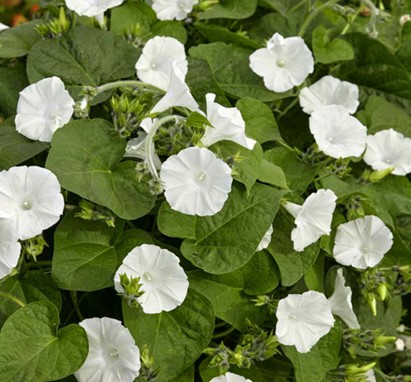
Moon Flower. Ipomoea alba. Vine. Size: 10-20 feet in a season. Light: Full sun. Soil: Well-drained soil. Growth rate: Fast. The white flowers open in the afternoon and remain open through the night, and they have a sweet scent that attracts pollinators.
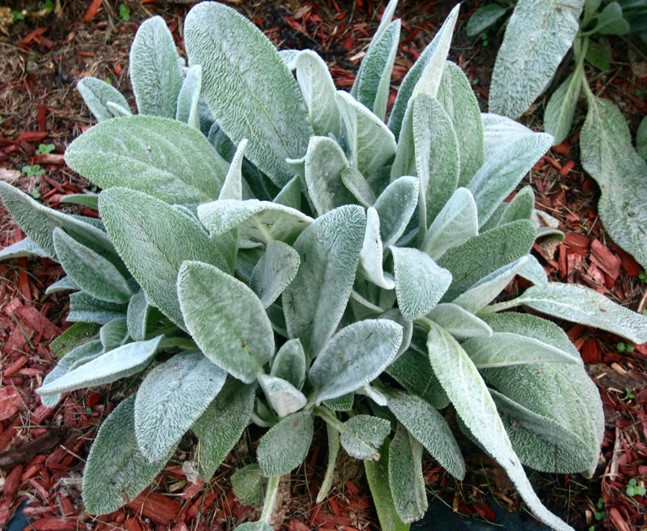
Lamb’s Ear. Stachys byzantine. Perennial. Size: 6-12 inches high. Light: Full sun. Soil: Fertile, well-drained soil. Growth rate: Can spread rapidly. The soft leaves are covered with white, woolly hairs that feel like felt, and the plant is grown for the white color of the foliage. This is an excellent border plant or a ground cover. Lamb’s Ear prefers drought conditions so little water is required, and don’t fertilize if you want your plants to stay neat and compact.
Other plants mentioned – Cockscomb, Celosia cristata; Turk’s Cap, Hylocereus undatus; Passionflower, Passiflora incarnata; Hens and Chickens, Sempervivum sp.
5 – “Gaudy or Tacky? A celebration of garish plants that show your good taste.”
The writers define gaudy as purposely adding plants that are in “bad taste” and tacky as adding plants that are in “bad taste” by people who don’t know what they’re doing. These plants are either large, have bold-colored flowers or foliage, or have any characteristic that makes them difficult to fit into a landscape. There is a statement in this section that “good taste” is hard to define because any plant that makes you happy is in “good taste” for your landscape. (I’m glad “good taste” and “bad taste” were clarified because I have some of the gaudy or tacky plants in my landscape, and I really do like them!)
Some passalong plants in this category are:
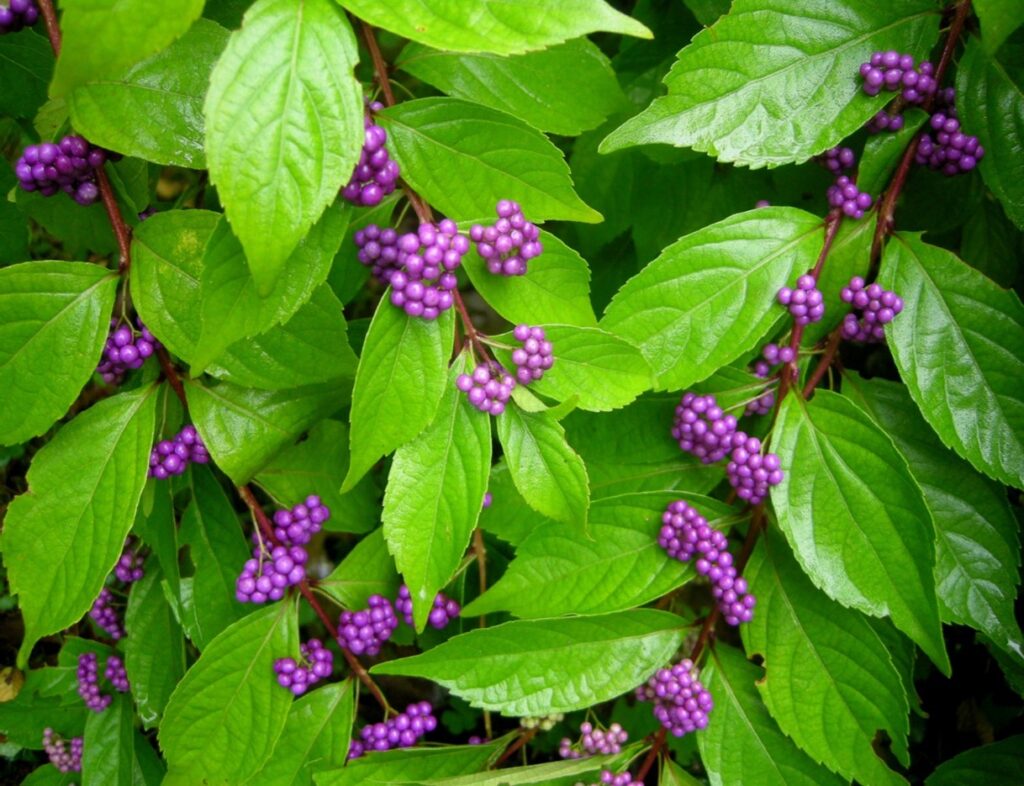
American Beautyberry. Callicarpa americana. Shrub. Size: 3-8 feet tall. Light: Full sun to light shade. Soil: Grows in any soil but prefers moist, fertile soil. Growth rate: Moderate to fast. This shrub is stunning during the fall when the berries have turned magenta or purple, but the rest of the time it is a rather plain shrub with stems that shoot out in all directions. This is very easy to propagate with seeds, cuttings, or layering.
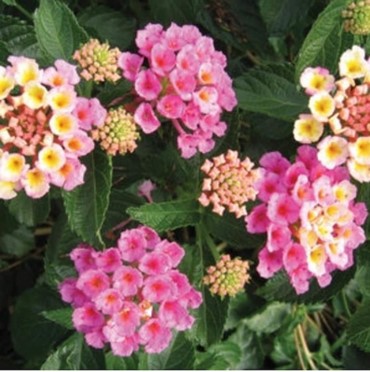
Common Lantana. Lantana camara. Shrub/Perennial. Size: 1-3 feet tall. Light: Full sun. Soil: Any well-drained soil. Growth rate: Fast. These are wonderful plants that attract butterflies, are very easy to grow, and are attractive. The flowers may start out yellow and then fade to orange, apricot, and pink. Other varieties of Lantana are red, solid yellow, white, or purple. This is a low-maintenance plant that thrives in the sun, doesn’t mind poor soil, and is drought tolerant.
Other plants mentioned – Purple Heart, Setcresea pallida; Pampas Grass, Cortaderia selloana; Canna, Canna x generalis; Texas Star, Hibiscus coccineus.
6 – “In the Bare-Root Bin at the Plant-O-Rama – Some not-so-hard-to-find passalongs sold by the bundle each spring at your friendly one-stop garden shop.”
These are passalong plants that are available for a short time during the spring when they look nice and are blooming. Many times they may be labeled with a generic name that doesn’t specify the variety or color, so you may not know what you’re buying if it isn’t in bloom.
Some passalong plants in this category are:
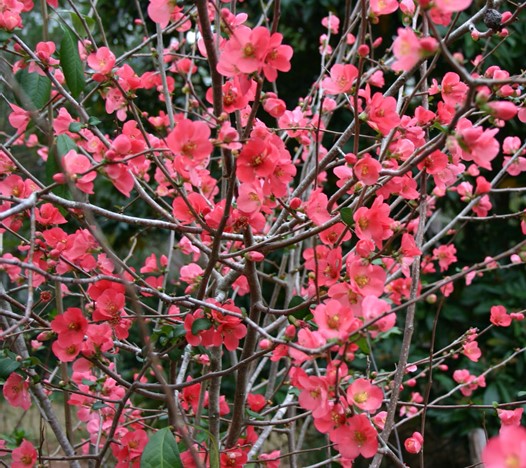
Flowering Quince. Chaenomeles speciosa. Shrub. Size: 4-8 feet tall. Light: Full or partial sun. Soil: Well-drained soil. Growth rate: Medium. This is a wonderful shrub that blooms in early spring before it puts out leaves. After the blossoms fade, it becomes a shrub with green leaves until cold weather.
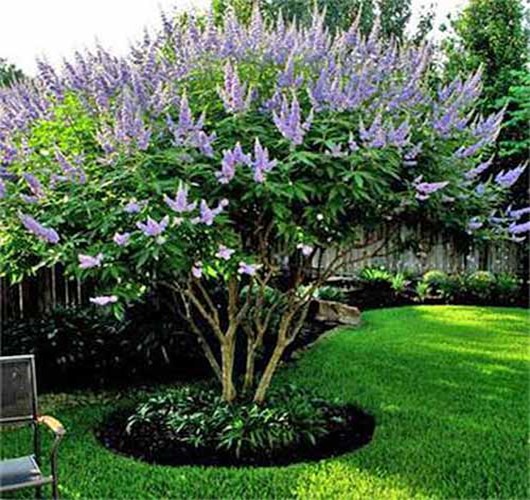
Chaste Tree. Vitex agnus-castus. Small Tree. Size: 10-25 feet tall. Light: Full sun. Soil: Well-drained soil. Growth rate: Fast in warm climates. The Vitex tree is easy to maintain and only requires regular pruning to keep it in good shape. Most of them have blue flowers, but there are varieties with white or pink flowers. The eight-inch flower spikes appear in early June and last for several weeks. These can be trimmed off to allow for a second bloom in August.
Other plants mentioned – Dwarf Flowering Almond, Prunus glandulosa; Butterfly Bush, Buddleia davidii; Spirea, Spirea sp.; Rose of Sharon or Althea, Hibiscue syreacus.
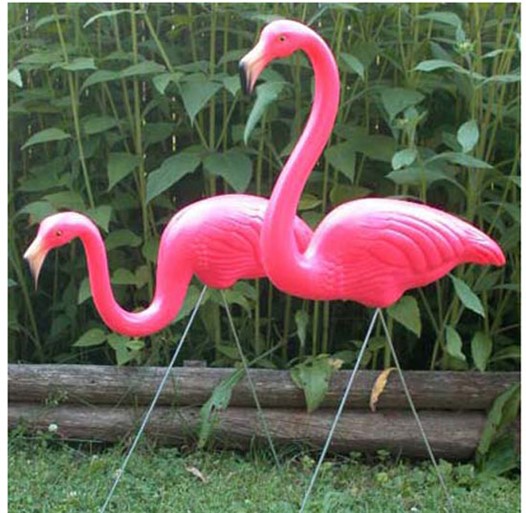
7 – “Well, I Think It’s Pretty – An exploration of passalong gardeners’ fascination with fine yard art, including pink flamingos, goose windmills, plastic flowers, and milk of magnesia trees.”
There can be passalong items as well as passalong plants, and we enjoy using yard art to add color and interest to the garden.
Some examples of passalong yard art are:
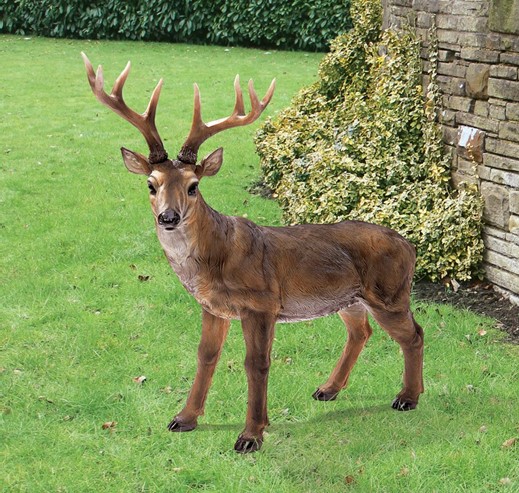
Artsy Animals. There are animals of every kind – deer, flamingos, pigs, frogs, rabbits, ducks, dogs, cats, etc. They can be made of metal, plastic, concrete, or other materials that withstand outdoor weather. Be sure to consider number, size, and color when adding them to your landscape.

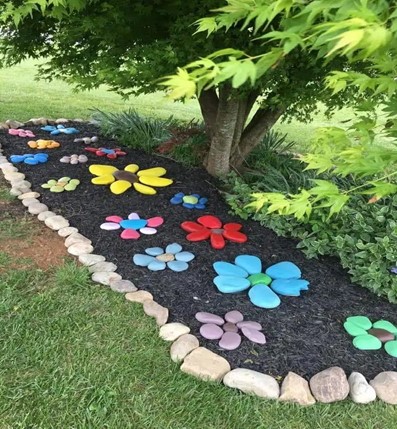
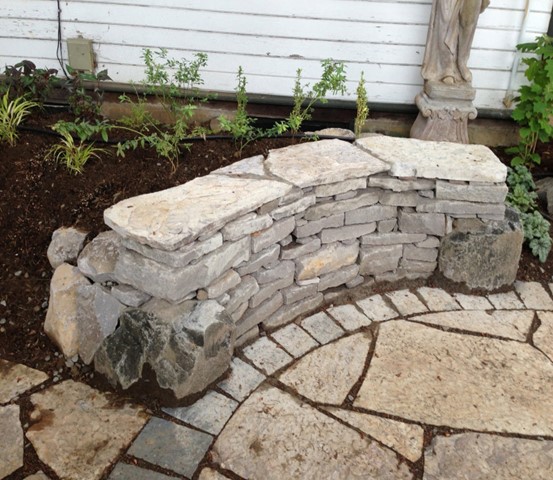
Rocks. You can add sitting rocks, rocks in flower beds, rock statues, rock walks, rock walls, anything using rocks.

Tires. Use old tires to make planters, pots, or crowns.
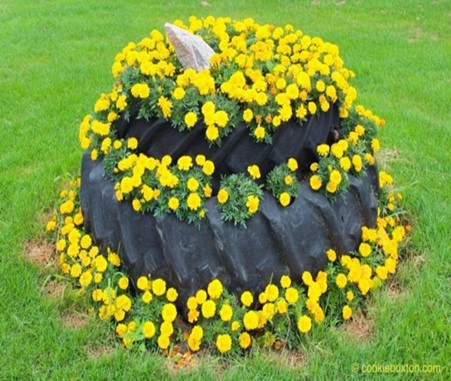
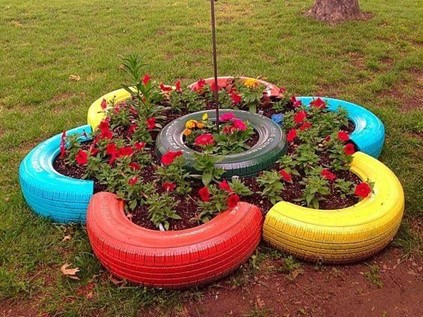
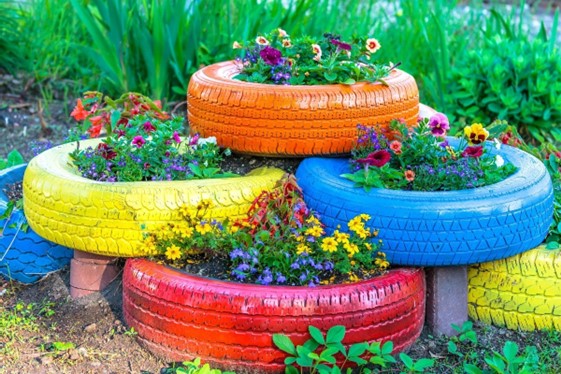
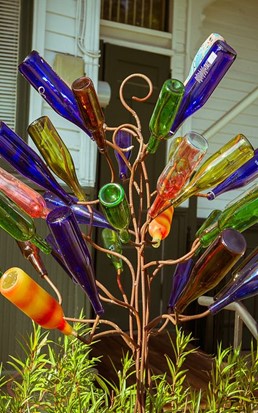
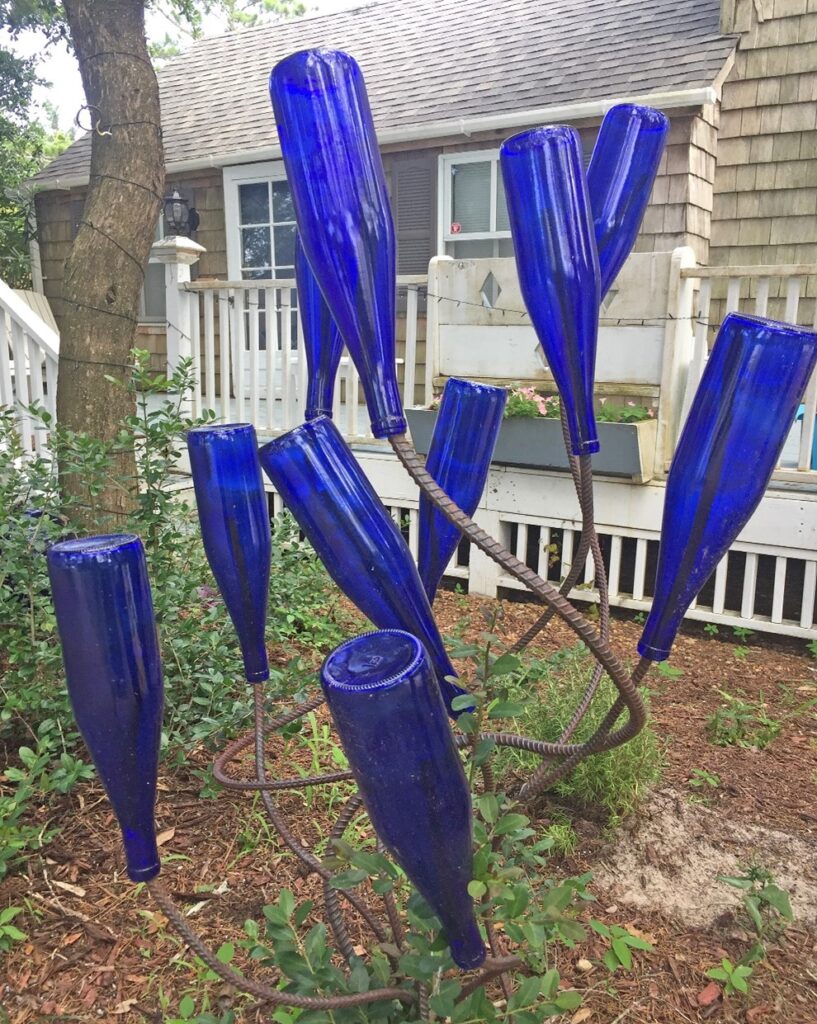
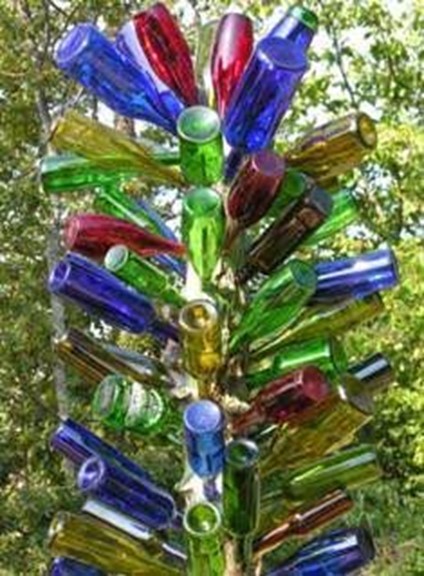
Bottle Trees. Almost any type of bottle can be used to make a bottle tree or bottle shrub.
Well, I think that comes to the end of the passalong information. I have been watching plants in yards, and I have noted several places where I’m going to ask the owner for a few seeds or a cutting or a baby plant so I can have some in my yard. This way it will be possible to enjoy the landscape when sitting in a comfy chair, admiring the plants, and thinking about friends and neighbors who supplied the new additions in the yard.
BCMGA offers several education programs each month. There is a program at 6:00 p.m. on the 1st Tuesday of the month at the South Library Branch in the Mall of Abilene, and the same program is offered again at 10:00 a.m. on the 2nd Friday of the month at the Downtown Library. Watch the BCMGA website and Facebook page for the topics and the dates of these monthly programs.
The Big Country Master Gardener Fall Plant Sale will be held next month. The online sale begins at 8:00 a.m. on Wednesday, October 9th and ends at 12:00 noon on Friday, October 11th. All online orders can be picked up on Friday, October 11th, between 2:00 and 6:00 p.m. Watch the BCMGA website for details.
If you have any questions, call the Taylor County Extension Office at 325-672-6048 or email us at mgardeners@yahoo.com. We hope you visit our website at bcmgtx.org for information on all Big Country Master Gardener events, like us on BCMGA Facebook, and check out training presentations on BCMGA YouTube. We are here to help you.
Until next week, Happy Gardening!