August in Abilene remains hot, often rivaling July in temperature, but it is one of the most important months for long‑term garden success. While harvests may slow, August is the planning and preparation bridge between summer and the highly productive fall garden. This is the month to find the spark like you felt in January when everything new was about to begin and look forward to the remainder of the garden growing season. In our area this is both a blessing and a curse.
Begin by evaluating summer crops honestly. Remove plants that are no longer productive or are heavily stressed by heat. Clearing these areas improves airflow, reduces pest habitat, and opens space for soil improvement. Incorporate compost into cleared beds to replenish nutrients depleted during summer growth.
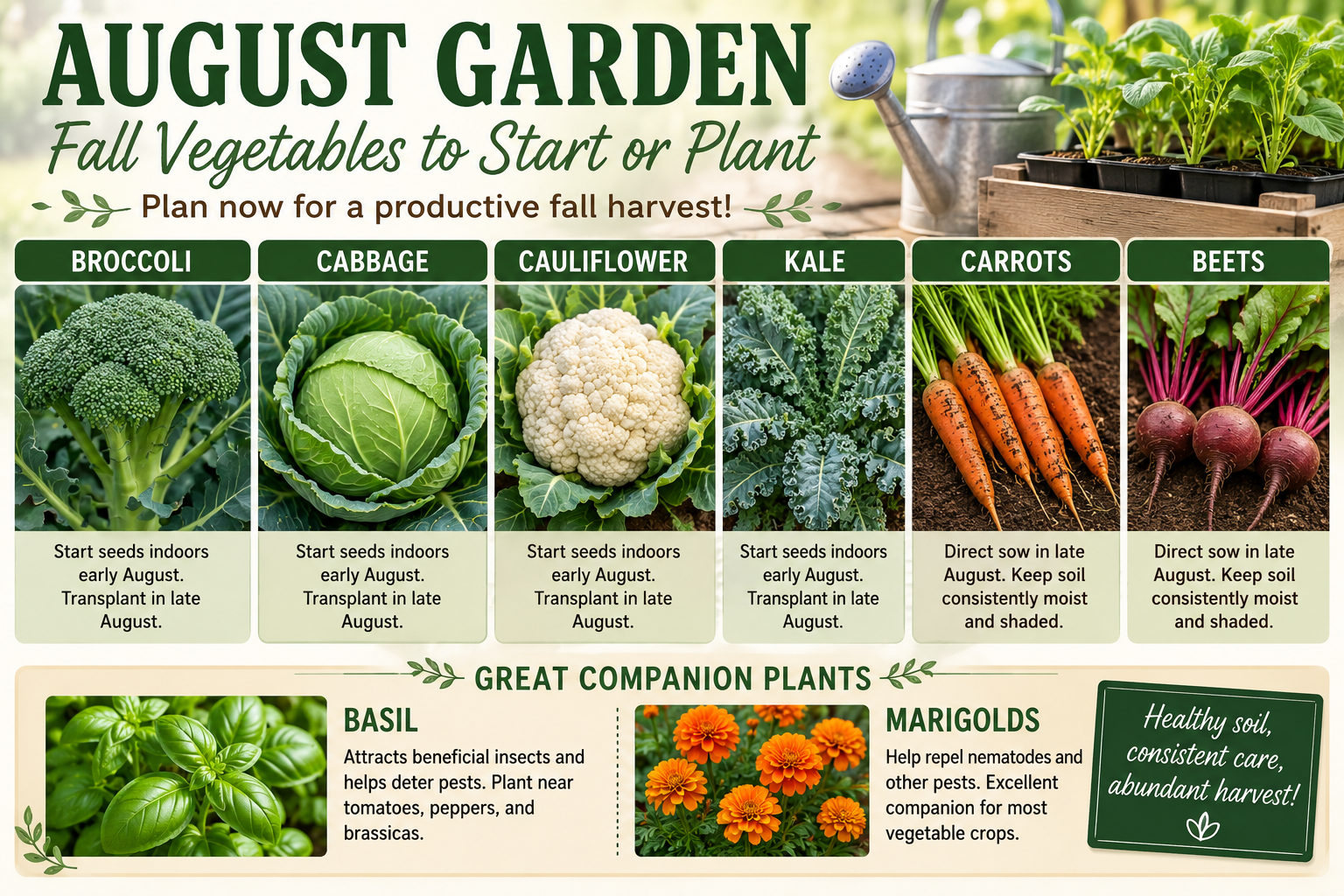
Fall vegetables require a head start. Begin broccoli, cabbage, cauliflower, and kale seeds indoors or in shaded outdoor areas early in the month. Transplants need protection from direct sun and consistent moisture during establishment. Direct sow carrots and beets late in August, providing shade cloth or light mulch to keep soil temperatures manageable. This is especially necessary when temperatures are above 90 degrees.
Water management remains critical. Soil dries quickly in August, and young seedlings are especially vulnerable. Drip irrigation or soaker hoses provide consistent moisture without overheating soil surfaces. Continue mulching generously to moderate soil temperatures. The extra time spent on this task will pay off handsomely later in the season and help to keep weed growth minimal, as the last thing anyone wants to do during this month is spend time pulling weeds.
Companion planting in August focuses on protection and transition. Taller summer plants such as okra or trellised beans can shade emerging fall seedlings. Avoid planting new crops near old plant debris, which can harbor pests and disease. Basil and marigolds remain useful companions, attracting beneficial insects even as seasons shift.
Avoid heavy fertilization until fall crops are established. Excess nutrients during heat can stress young plants. If the temperatures begin to moderate toward the end of the month, light feeding can resume.
The work done in August determines the quality of fall harvests. By improving soil, starting transplants carefully, and using shade and companion plants strategically, gardeners set the stage for one of the most productive seasons of the year.