
By: Sarah Adams
Member of the Big Country Master Gardeners
There are phases of life when even the smallest tasks feel overwhelming. The pressure of daily responsibilities and the constant stream of deadlines is simply exhausting. Then, on top of all of that, we add shorter days and the tasks of the holidays. This phase is temporary but we seek a way to feel grounded again. For me, feeling grounded is found in a familiar and peaceful place: the garden.
The garden, whether it is a large winter vegetable garden or a few pots of pansies on the porch, offers something that few other places can. The garden is a place where time slows down and the noise of the outside world fades into the background. Thoughts, that have been spinning for hours, begin to steady. When you tend to plants, something changes. You start to notice the details of nature: the smell of the soil after watering, the warmth of the sun against your skin, the surprising shade of purple on a new pansy bloom. These quiet observations have a way of pulling you back into the present moment, where life feels less overwhelming and more manageable. There is a deep, almost primal comfort in touching the soil.
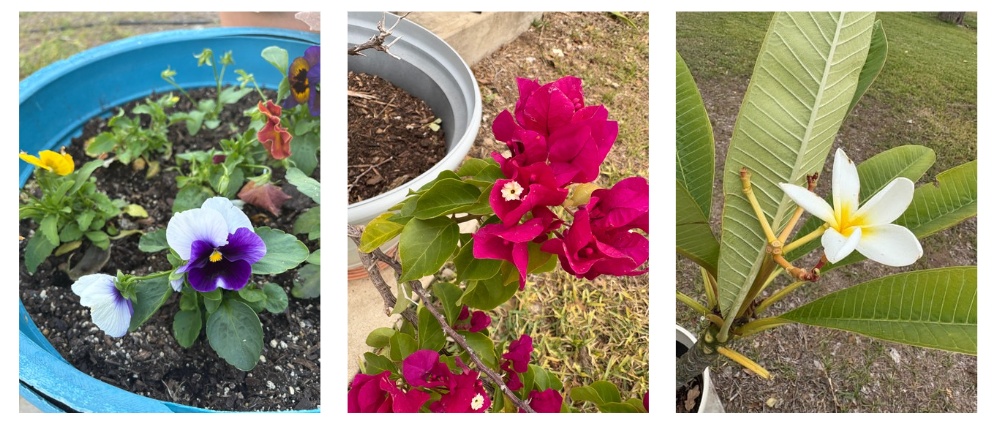
The beauty of gardening is that it does not demand perfection. You do not have to landscape an entire yard or plant dozens of seedlings. Sometimes simply sitting in your garden with a cup of tea is enough. The garden does not expect anything from you. It welcomes you as you are—tired, anxious, or uncertain—and offers quiet companionship. The smallest task counts. They are little gestures of self-care disguised as gardening tasks. There is also something profoundly comforting about the garden’s honesty. Plants do not hide their needs or pretend to be fine. They wilt when they need water, droop when the light is wrong, and stretch toward whatever helps them grow. There is no judgment in the garden, no expectation to look composed or to keep up appearances. When life feels chaotic, the clarity of that truth can be soothing. In caring for the garden, we are reminded to care for ourselves with the same patience and acceptance.
Therapeutic horticulture is the practice of gardening as a means to promote better health and well-being and has existed since the 19th century. But the mind-boosting benefits people reap from digging holes, planting seeds, and pulling weeds join many freshly documented health advantages. “Instead of focusing on the to-do list, the disagreement with a colleague, an argument with a loved one, or a difficult interaction at the grocery store, the gardener can set these worries aside to become fully immersed in the task at hand, Dr. Frates says.”1
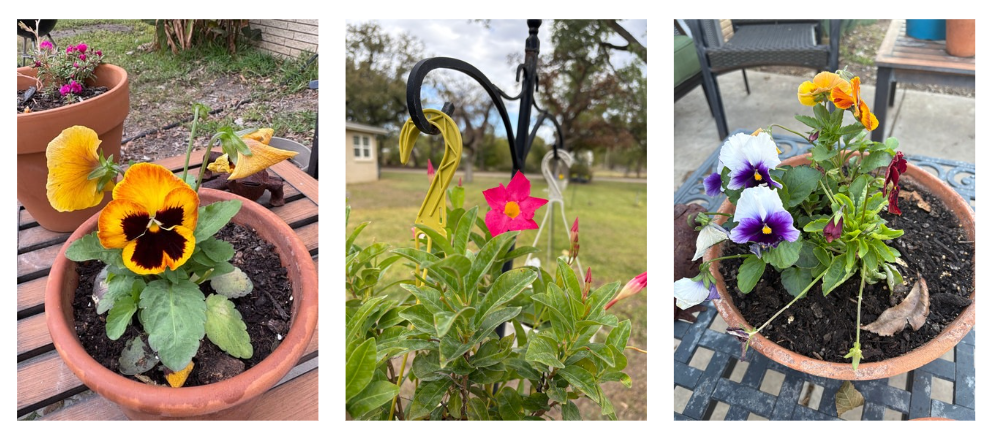
Studies have shown that contact with certain microbes in the earth can actually stimulate serotonin production, which helps improve mood and ease anxiety. But even without the science, most gardeners already understand the feeling. The simple act of digging, planting, or pruning allows us to release tension through movement and to reconnect with something real and tangible. In a world dominated by screens and deadlines, the physicality of gardening becomes a form of mindfulness—an embodied reminder that life is cyclical, natural, and forgiving.2
For those of us in a gardening club, the collective spirit of planting and nurturing together becomes a form of therapy that does not require words. There is something healing about standing side by side, hands in the dirt, each person tending to their own patch yet contributing to a shared landscape. In those moments, stress softens, conversation flows more easily, and even silence feels comforting, filled with the gentle rhythm of work and life unfolding together.
If you’re feeling completely stressed out, you don’t have to do anything dramatic. Go outside, even for five minutes. Touch a leaf. Pull one weed. Water a single plant. Let the air fill your lungs, and notice how your shoulders begin to drop. You might find, as so many gardeners have before you, that the simple act of caring for something living helps you care for yourself in return.
BCMGA offers several education programs each month. There is a program at 6:00 p.m. on the 1st Tuesday of the month at the South Library Branch in the Mall of Abilene, and the same program is offered again at 10:00 a.m. on the 2nd Friday of the month at the Downtown Library. Watch the BCMGA website and Facebook page for the topics and the dates of these monthly programs.
If you have any questions, call the Taylor County Extension Office at 325-672-6048 or email us at mgardeners@yahoo.com. We hope you visit bcmgtx.org for information on all Big Country Master Gardener events, like us on BCMGA Facebook, and check out training presentations on BCMGA YouTube. We are here to help you.
Footnotes:
- Salamon, Maureen. “Sowing the Seeds of Better Health: Growing Evidence Fortifies Gardening’s Bumper Crop of Physical and Mental Benefits.” Harvard Women’s Health Watch, 1 June 2023, Harvard Health Publishing, https://www.health.harvard.edu/staying-healthy/sowing-the-seeds-of-better-health
- “Sowing the Seeds of Good Health: How Gardening Is Good for You.” Trinity Health PACE, 26 Apr. 2024, https://www.trinityhealthpace.org/blog/blogs/sowing-the-seeds-of-good-health