By Jackie Sledge
Big Country Master Gardener Association
September is such an interesting month. Our area can have record high temperatures as well as cool temperatures, and we can enjoy the cooler days when we can work outside at hours other than early morning or late evening. We usually have some rain because that seems to arrive during the West Texas Fair and Rodeo, and even a little rain perks up the trees, shrubs, flowers, and especially the grass. This is a great month for gardeners! This is a great month for planting!
Why should I plant in the fall?
- Fall is the perfect time to plant because the warm soil and cool air help plants establish good root systems before the soil freezes in winter.
- There are fewer pests and diseases to stress new plants.
- Perennials and bulbs may be dormant during the winter, but they will be ready to grow and bloom when the temperature rises in early spring.
I spent some of the hot summer days making plans for our landscape. Earlier this year I added some new flower beds, planted several new trees, replenished the perennials in the beds around the trees, and added raised beds – all of this to take in much of the grassy areas in the yard. I made a list of plants and trees I still wanted to add so I would be ready to plant in the fall since it’s the best time of the year to plant. Now that time is here.
I’m prioritizing the plans on my “to do” list and relying on the task lists from Lone Star Gardening by Neil Sperry and Texas Garden Almanac by Doug Welsh to keep me on track with what I need to do this month.
Here are some of their recommendations for September:
Planting Tasks:
- Plant trees and shrubs during the fall because they have time to grow better root systems before the heat of next summer.
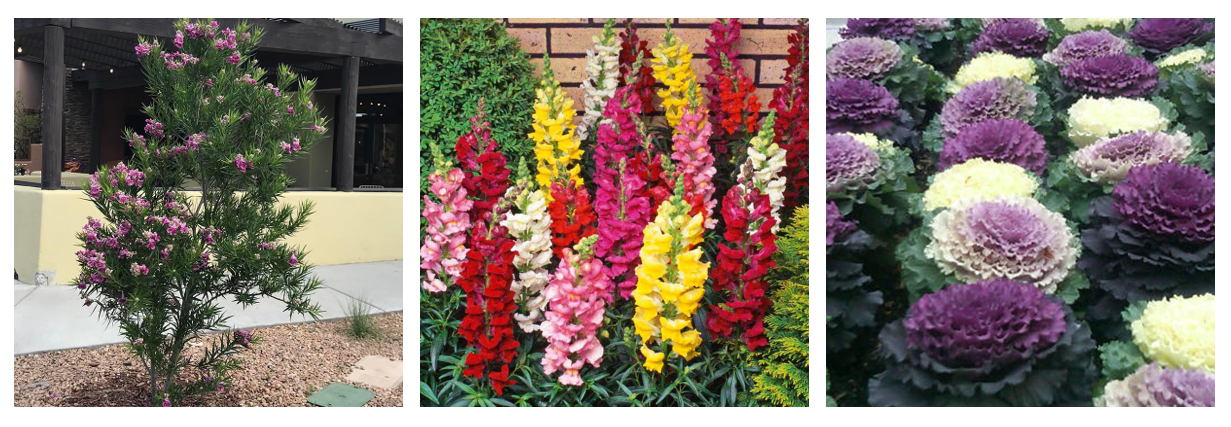
- Plant cool-season color such as pinks, violas, snapdragons, and ornamental cabbage and kale later this month plus pansies next month.
- Plant cool-season vegetables as ornamentals in flower beds. Examples are cabbage, kale, leaf lettuce, and spinach.
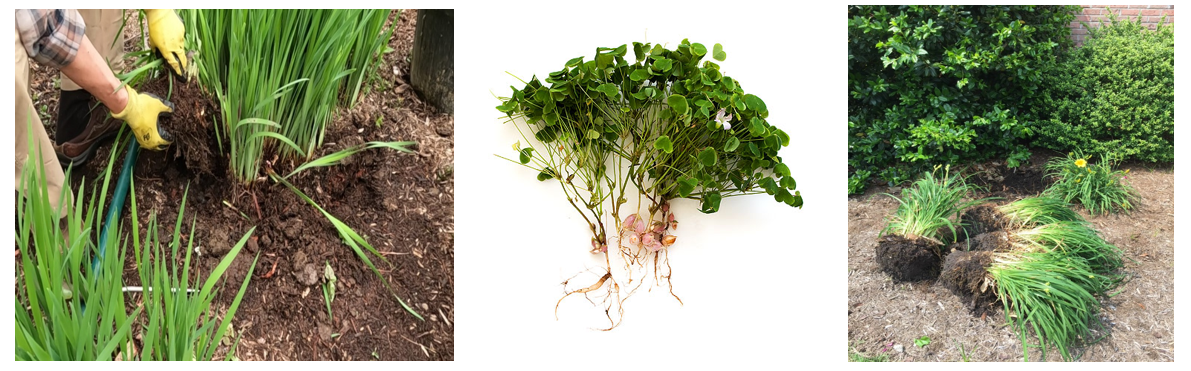
- Dig and divide spring-flowering perennials such as daylilies, irises, oxalis, and other spring bloomers late in the month. These plants should be divided every 2 to 4 years to ensure they will continue blooming. Be sure to share the extra plants with friends and neighbors!
- Spread wildflower seeds into lightly tilled soil. It is best to plant a mix of wildflower seeds to ensure some will grow and bloom their first year.
- Plant St. Augustine, Bermuda, zoysia, and buffalograss by mid-month so it can get a good root system before winter. Water it well for 2-3 weeks.
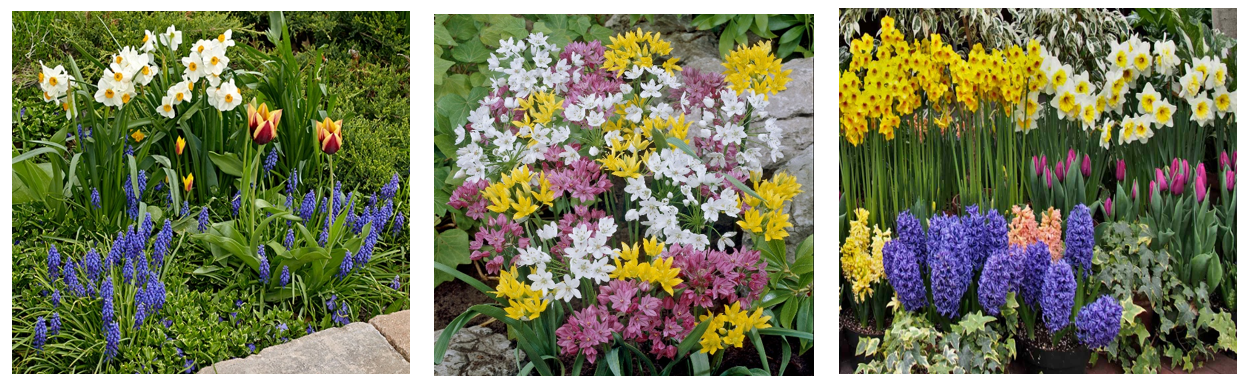
- Purchase spring-flowering bulbs now while the selection is good. They will be planted later, but by then the selections will be much less.
Planting Tips for Success:
- Don’t overwater. The soil should be moist but not soggy.
- Don’t wait until it is close to the first freeze to plant. The average first freeze date in Abilene is November 5th.
- Don’t overcrowd bulbs or plants. Remember to space plants and bulbs with mature size in mind.
- Be sure to select plants that grow in our area – Zone 8a.
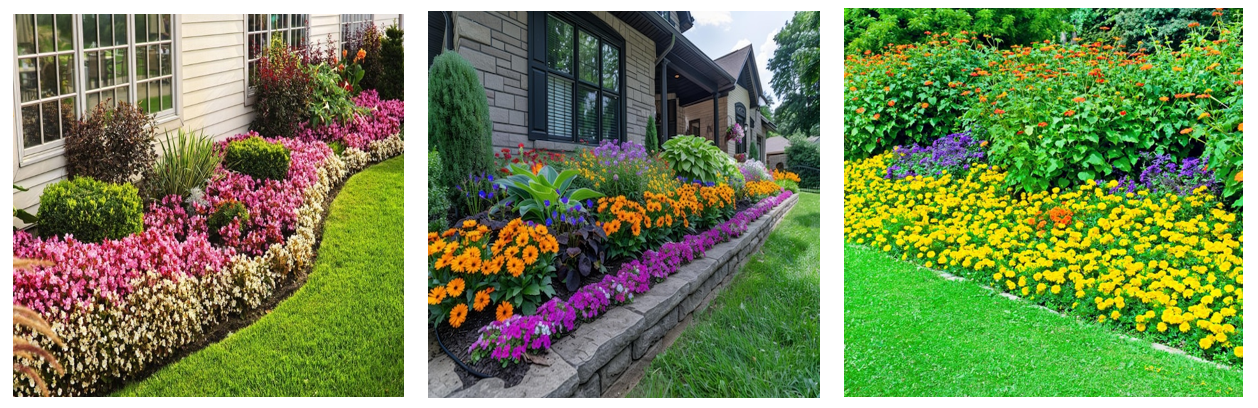
- Use a mix of tall plants, medium shrubs, and ground covers to create depth and interest in your landscape. Taller plants can be used as a backdrop, and shorter ones can fill in the foreground.
- Consider using ornamental grasses for texture, color, and movement in the landscape. They are also drought tolerant!
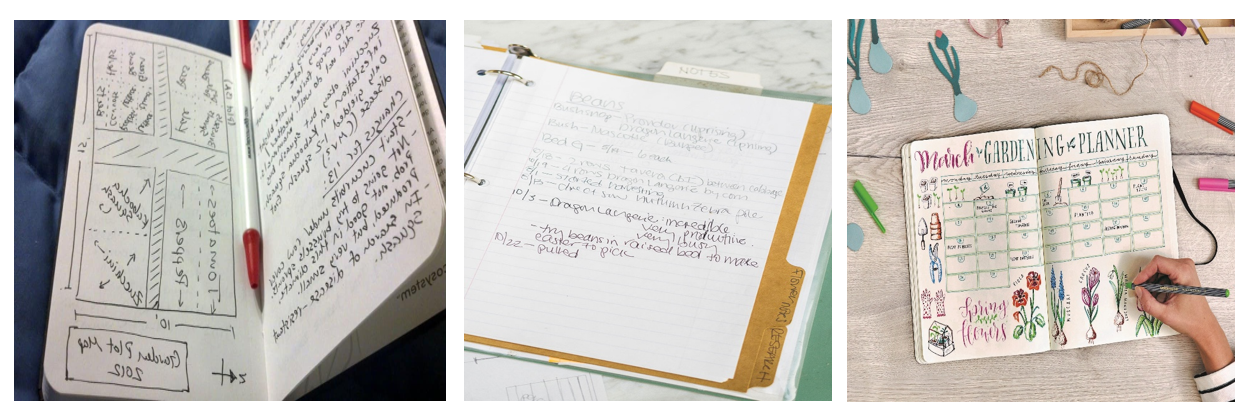
- Add the new plants and bulbs to your plant journal so you can remember what you planted in the fall before adding plants in the spring.
Pruning Tasks:
- Mow the lawn frequently and at the correct height to keep it dense. This will help to crowd out weeds.
- Deadhead perennials to remove brown leaves and flower stalks. If you prune off dead blooms, many roses and perennials will bloom again in the fall.
What to Feed:
- Fertilize lawns and landscape trees.
- Fertilize fall-flowering annuals, including pots and hanging baskets.
Troubleshooting Tips:
- Check all plants that you will take indoors for the winter to be sure they do not have any pests such as scale, mealybugs, spider mites, etc. It is easier to treat for pests while the plants are still outside.
- Move outdoor plants in pots to an area with low outdoor light to acclimate them for the move indoors. They should be moved indoors when the night temperatures are in the low 50s.
- Don’t stop watering plants when the hot weather stops. The soil can still get dry, so water when needed to be sure the plants stay strong.
Just a Tip:
- Remember that many birds and butterflies are migrating with winter weather approaching. Be sure to feed them so they have energy for their trip. Also provide fresh water.
Remember: If you make the most of the fall season, you will have a landscape that rewards you all year.
But where can you find plants that survive and thrive in the Big Country? The Big Country Master Gardener Fall Plant Sale is coming up in October, and I know there will be some plants that will be great in our gardens. The online sale will start on October 8th and end at noon on October 10th, and the in-person sale will be held from 8:00 a.m. through 12:00 noon on October 11th. Be sure to add these dates to your calendar and watch the BCMGA website and Facebook page for more information about the sale.
The Big Country Master Gardener Association offers several education programs each month. There is a program at 6:00 p.m. on the 1st Tuesday of the month at the South Library Branch in the Mall of Abilene, and the same program is offered again at 10:00 a.m. on the 2nd Friday of the month at the Downtown Library. Watch the BCMGA website and Facebook page for the topics and dates of these monthly programs.
If you have any questions, call the Taylor County Extension Office at 325-672-6048 or email us at mgardeners@yahoo.com. We hope you visit bcmgtx.org for information on all Big Country Master Gardener events, like us on BCMGA Facebook, and check out training presentations on BCMGA YouTube. We are here to help you.
Until next week – Happy Gardening!